

Subtle Bodies : ค้นหาหนังสือธรรมะ หน้า 1 / 2
หน้าหนังสือทั้งหมด
136
Understanding the Inner Bodies on the Path to Enlightenment
them and go further through the centre until attaining the Body of Enlightenment — the most subtle of the inner bodies.
The inner bodies between the Paṭhama Magga Sphere and the Body of Enlightenment
This text delves into the various inner bodies that exist between the Paṭhama Magga Sphere and the Body of Enlightenment. These include the Subtle Human Body, Angelic Body, and several Brahma Bodies,
128
The Relationship Between Processing, Cognition, and Mindfulness
processing and cognition are nested together inseparably and as a unit take the form of the subtle physical body. If the four faculties are separated, the subtle physical body will die immediately — a
Processing and cognition are intimately linked, forming the subtle physical body. If four faculties are disconnected, the subtle body ceases to exist, impacting physical survival. Mindfulness includes
124
Understanding the Inner Bodies and Enlightenment
the centre of the body, in the same way as described earlier, in entering the centre of the Pathama Magga Sphere, successive inner bodies can be attained, going further inside the subtle human body —
This text discusses the progression through successive inner bodies leading to the Dhammakāya, emphasizing the distinction between mundane and transcendental bodies. It highlights that all worldly bod
46
Mindfulness Practices in Buddhism
1. mindfulness of the body [kāyunupassanāsatipaṭṭhāna]: Continuously seeing and knowing the body in the body — that is to see and know the subtle inner bodies that lie hidden within our physical body:
This text delves into the four foundations of mindfulness (satipaṭṭhāna) in Buddhism. It teaches practitioners to continuously observe the body, feelings, the mind, and mental phenomena. 'Mindfulness
110
Understanding the Dhamma Body and Its Levels
reach the station, from there we take the train to the airport and eventually take the aeroplane that will take us to our destination.
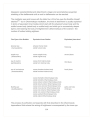
All the various inner spheres and bodies all the way from the Phy
This text delves into the concept of the Dhamma Body, highlighting its intricate structure composed of multiple layers, each representing a different level of spiritual refinement. Luang Phaw Wat Pakn
114
Understanding Dispassion and Detachment in Dhammakaya Meditation
dispassion (ekantanibbida) and detachment (viraga) and accomplishes sequential shedding of the defilements until an end to defilements can be reached.
The meditator sees and knows with the latter fou
This text delves into the significance of dispassion (ekantanibbida) and detachment (viraga) in the process of shedding defilements through meditation. It illustrates the attainment levels based on th
109
Attaining the Angelic Body through the Middle Way
[vimuttīnādassana] will be attained. When the mind is brought to a standstill at the centre of the Sphere of the Seeing and Knowledge of Liberation the Angelic Body will be attained.
By now the sequen
The text discusses the attainment of the Angelic Body through a process of concentration and the sequential progression from the Coarse Human Body to various forms of Brahmā bodies, culminating in the
123
Understanding Suffering and the Subtle Human Body
wealth. As the majority of sorts of suffering concerns material things, having attained the subtle human body, the mind, being unified with the subtle human body, is safely withdrawn beyond the reach
This text discusses why most people suffer due to attachment to their physical bodies and possessions, despite intellectually understanding Buddha's teachings on impermanence. The author emphasizes th
125
Cultivating Transcendental Knowledge in Buddhism
It is for this reason that the Lord Buddha advocated his monks to cultivate transcendental knowledge in order to put themselves beyond the reach of sensuality [kāma], unwholesomeness [akusalamadhaṃma]
The Lord Buddha encourages monks to attain transcendental knowledge to rise above sensuality and eradicate False View. Achieving the First Absorption endows practitioners with joy, happiness, and focu
137
Understanding the Bodies of Enlightenment
ment, the Arahatta Body of Enlightenment [Dhammakāya Arahat] and the Subtle Arahatta Body of Enlightenment.
Thus there are ten types of Bodies of Enlightenment.
The Benefits of Attaining the Inner Bod
This content discusses the ten types of Bodies of Enlightenment, including the Arahatta Body and Subtle Arahatta Body, emphasizing the benefits of attaining inner bodies for personal growth. Meditator
111
Understanding the Dhammakāya in Insight Meditation
called the ‘Coarse Dhammakāya Arahant’ or the ‘Subtle Dhammakāya Arahant’ — the latter two being the bodies of enlightenment of the arahant. The Dhammakāyas are all transcendental [lokuttara] in natur
This text delves into the concept of Dhammakāya Arahant, distinguishing between the Coarse and Subtle Dhammakāya. It explains that these bodies are transcendental and consist of pure aggregates that a
232
Exploration of Metaphors in Buddhist Philosophy
snake, poisonous, mistaken for rope spire, a palace - {metaphor for Mid-
- {metaphor for self-mortification dle Way 38-9} 36}
spouses, categories of 154-6
snake - {metaphor for craving 88}
sprite, ear
This text explores several metaphors used in Buddhist philosophy, including the snake as a metaphor for craving and its relationship to the concept of suffering. It further elaborates on the significa
122
The Journey to Inner Bodies and Enlightenment
(also called the 'astral body' or 'dream body') all the way up to the various bodies of enlightenment.
The meditator can see and consider bodies within the body by setting their attention to the centr
This text describes the meditative journey towards discovering inner bodies, known as the astral or dream body, and various spheres of awareness that lead to enlightenment. It details how focusing att
140
Understanding the Dhammakāya and Its Mind
reaching the Dhammakāya and becoming one and the same as the Dhammakāya. The body of the Dhammakāya incorporates layers of perception, sensory registration, central processing and cognition in just th
The Dhammakāya embodies a body that resembles human perception while its mind can expand significantly, allowing the meditator to observe the eight inner bodies. This process unveils the Three Signs o
113
Discovering Inner Transcendental Bodies
He further discovered that when the mind is relaxed in a standstill state, while resting at the center of the Dhamma Sphere, inner transcendental bodies will emerge, one after another: from coarse hum
This text discusses the emergence of inner transcendental bodies through relaxation at the center of the Dhamma Sphere. As the mind achieves a state of calm and stillness, one can transition through v
108
The Path to Spiritual Enlightenment
center of the Sphere of Concentration, the Sphere of Wisdom [paññā] will be attained. When we bring the mind to a standstill at the centre of the Sphere of Wisdom, the Sphere of Liberation [vimutti] w
This text outlines the spiritual progression as defined by the teachings of the Buddha, emphasizing the importance of concentration, wisdom, and the journey towards liberation. It explains how by brin
222
Understanding Dhammakāya and Defilements in Meditation
deep meditation 114
defilement 122: different, for each
inner body 135; of Angelic Body 135;
of Dhammakāya Anāgāmi 137; of
Dhammakāya Gotrabhu 136; of
Dhammakāya Sakidāgāmi 136,
137; of Dhammakāya Sot
The text provides an in-depth examination of the Dhammakāya concept, explaining various levels such as Dhammakāya Anāgāmi, Gotrabhu, and Sakidāgāmi. It discusses the nature of defilements and how arah
25
Living a Virtuous Life: Honoring Parents
living a virtuous life, showing good respect to them,
speaking to them in a nice and warm fashion, and
taking good care of them. Children should never hold
a grudge against their parents, regardless o
This text emphasizes the necessity of living a virtuous life by showing respect and care towards one's parents. It discusses the importance of not holding grudges against them, illustrating how parent
107
Understanding Astral and Celestial Bodies
Suzanne Jeffrey
astral body, but other bodies as well. If you look at light through a prism, you will see seven different colors. It is like that: the bodies are there, but unless you shine a light t
In this text, Suzanne Jeffrey discusses the existence of multiple bodies, including the astral body, and how they relate to meditation and defilements. The analogy of a prism illustrates that just as
85
การทำงานร่วมกันเพื่อชีวิตที่มีเป้าหมาย
ทั้งหมดนี้ทำเพื่อความของเราเองและเพื่อภาพรวม ก็คือลูงพันจากการเป็นนาวเป็นทาสของพญามารทั้งหมด เพราะฉะนั้นความรักและสามัคคีกันเป็นทีม ทั้งรักตัวเองและรักหมู่คณะ รักที่จะศึกษาเรียนรู้ อยู่ร่วมกันอย่างสุภ
เนื้อหานี้พูดถึงความสำคัญของความรักและความสามัคคีในการทำงานร่วมกันเพื่อให้เข้าใจในเป้าหมายชีวิตและการมีชีวิตอย่างมีความหมาย โดยการทำงานร่วมกันทั้งในด้านงานหยาบและงานละเอียด ผลงานในระดับนี้จะช่วยขจัดอุ